Five simple ways to help manage your blood sugar
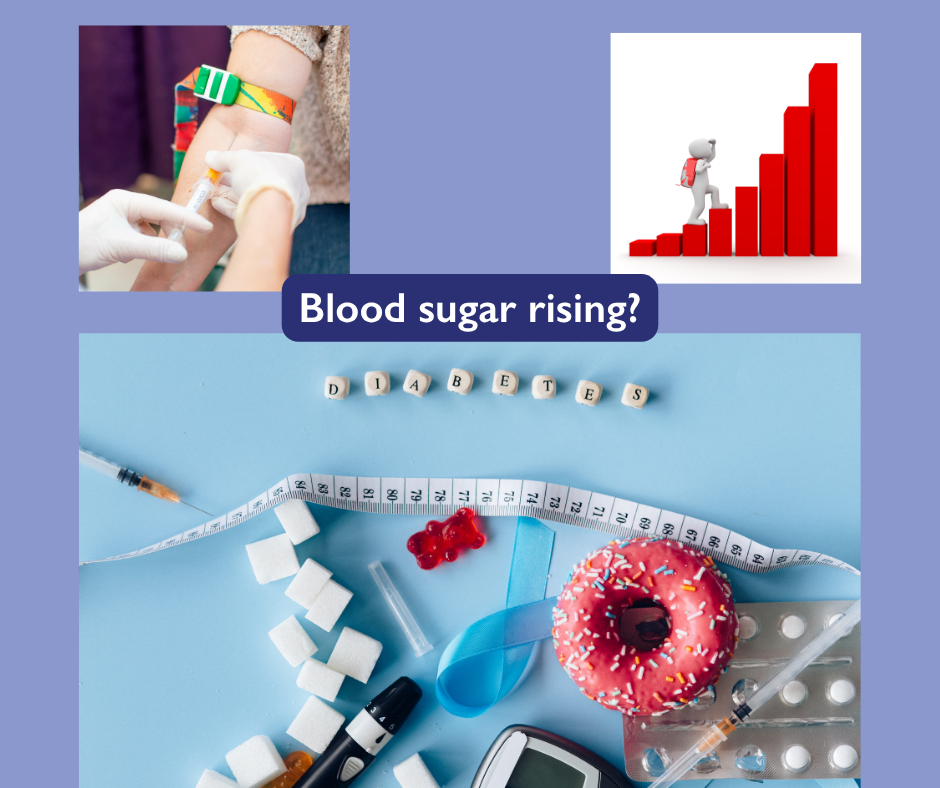
You’ve been told your blood sugar is a bit high. Your GP may have mentioned prediabetes and suggested making some changes. But where do you start?
You might feel you eat quite well already. Being told to “eat less and move more” or “reduce your calories” doesn’t help much when you’re wondering what to have for your next meal!
Here are five simple things you can try to help manage your blood sugar.
1. Include protein with each meal
Think about your breakfast. Is it mostly toast, cereal or something grabbed on the way out? And at lunchtime, do you sometimes make do with soup and bread?
This can make a difference, if there’s not enough protein on your plate, your blood sugar will rise and fall more quickly. So remember the protein every time you eat.
Protein helps to slow down the release of sugar into the bloodstream. A meal containing enough protein can also help you stay fuller for longer and reduce the need for snacks or sweet treats during the afternoon.
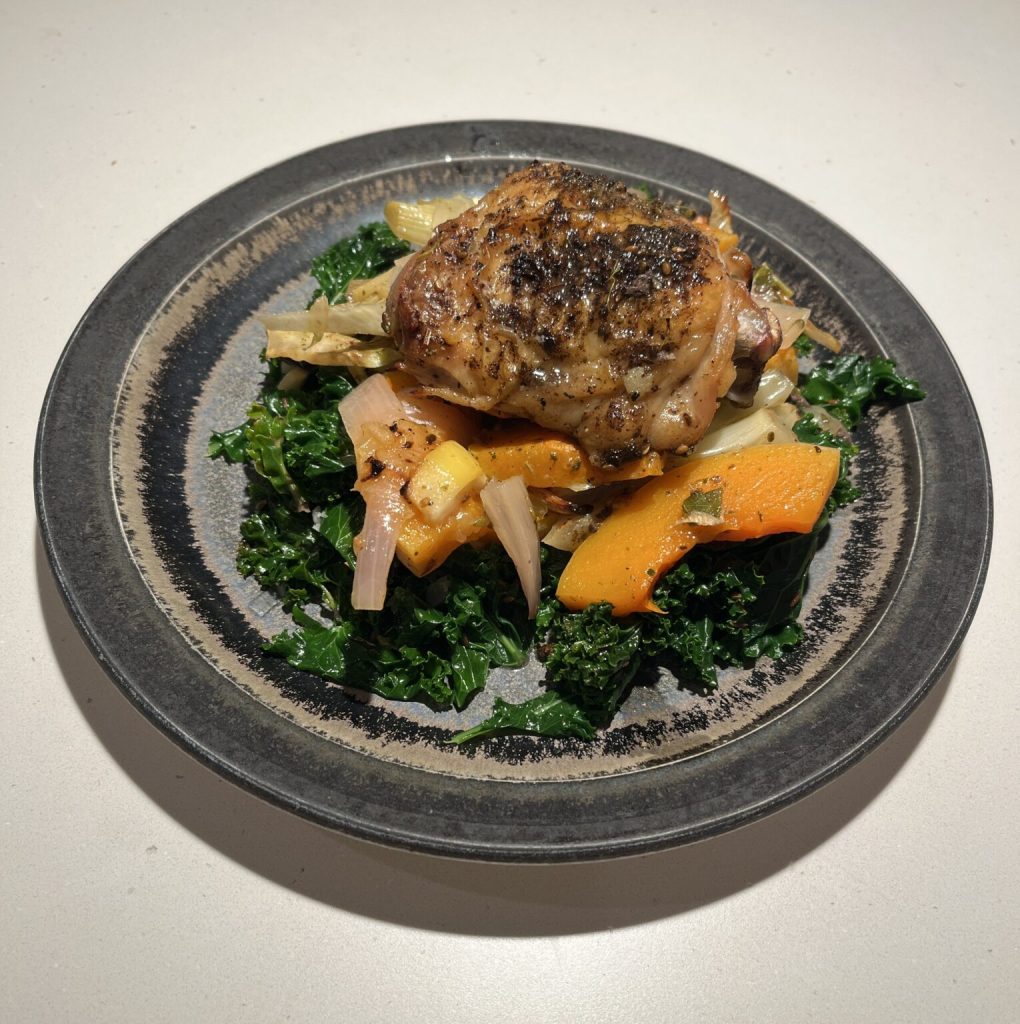
You could have eggs with your toast, plain Greek yoghurt with berries, or tofu scrambled with mushrooms. At lunchtime, add lentils, beans, chicken or fish to your soup or salad.
Something to try: Choose the meal where protein tends to be missing and plan one easy add-on, then gradually, over time you can add protein to other meals in your day.
2. Move after meals
Do you head straight back to your desk after lunch or settle on the sofa after supper? Try a little movement first.
Your muscles use glucose for energy, so a short walk after eating can help reduce the rise in blood sugar. Research in people with type 2 diabetes found that ten-minute walks after meals helped more than one thirty-minute walk during the day.
You don’t need walking boots or a big plan. A turn around the block will do, or move around indoors if that’s easier.
Something to try: Walk for five to ten minutes after one meal each day.
3. Eat your vegetables first
If you have vegetables or salad on your plate, start with those and some protein before the potatoes, rice, pasta or bread.
Studies suggest this can help reduce the spped the sugar is released into the blood stream. It’s an easy thing to try with food you’re already having.
No need to pick apart your casserole or eat your stir-fry in stages! Just use this when it works with your meal.
Something to try: Start your evening meal with a few mouthfuls of vegetables.
4. Have a glass of water before each meal
Forgetting to drink is easily done, especially when you’re busy. Mealtimes give you a regular reminder.
Put a glass out as you prepare your food and have some water before you eat. Warm water is fine if that appeals more on a chilly day.
Drinking it before a meal isn’t a special blood sugar treatment, but it helps you remember to drink. And swapping sugary drinks for water means less sugar coming in. It also helps the body to move things around more easily, so keep drinking.
Something to try: Put your glass beside your plate before serving your meal, or next to where you prepare food if you’re the one doing the cooking.
5. Keep sweet things for dessert
If you fancy something sweet, have it after lunch rather than on its own in the afternoon.
The protein, fat and fibre in your meal can help to reduce the sugar spikes. The sweet food still counts, it just has slightly less effect this way
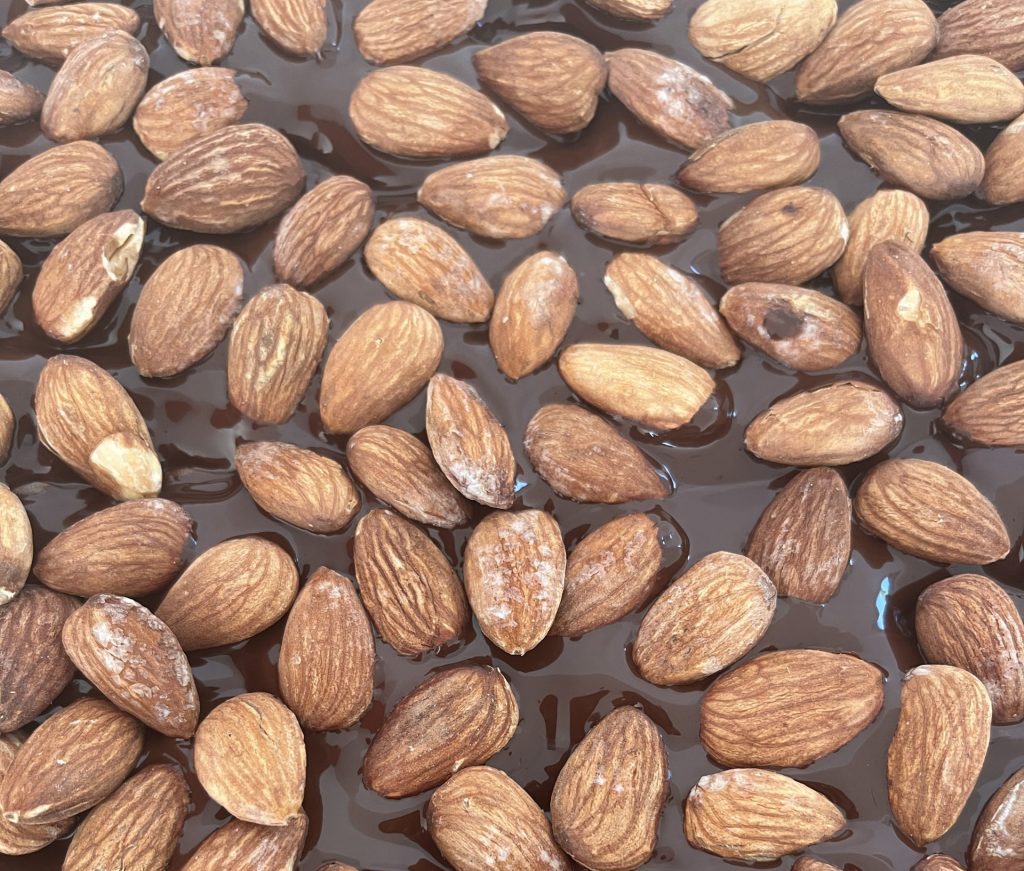
You could save that piece of cake until after lunch or enjoy a little (dark) chocolate after supper. You can still enjoy something sweet, just remember to think about when about when you eat it.
Something to try: Move your usual sweet treat to the end of a meal.
Which one will you start with?
Choose whichever feels easiest and give it a go this week. Best to establish it before starting another.
Book in another blood test in 3-6 months time and see what’s happened. Remember, the goal is to stop it going up any more, if it’s gone down, that’s a bonus.
If this feels like a step too far for you and you’d like help finding a starting point that works for you, book in a free 30-minute Let’s Make a Start call. We can talk about what’s happening and how I might be able to help.