The body often gives us clues when digestion isn’t quite right, it’s worth listening to them before they get any worse.
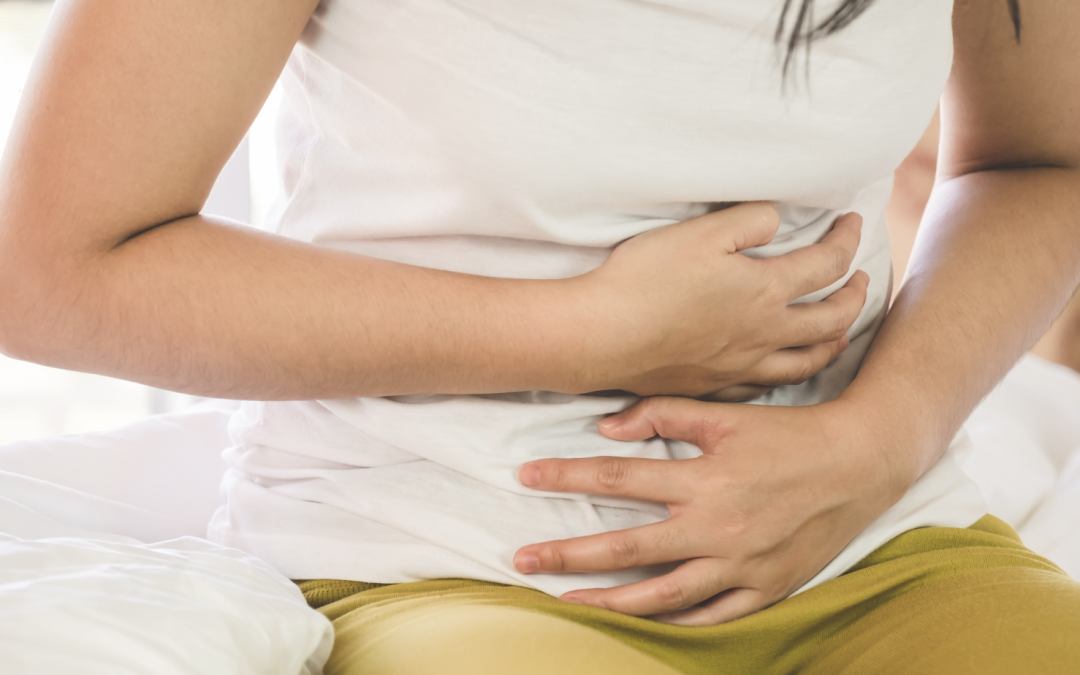
You might become aware of:
- bloating after meals
- a distended belly, above or below the belly button
- excess wind
- constipation or diarrhoea or both
- reflux or indigestion
- reactions to certain foods
- feeling full even after small amounts of food
- sometimes seeing undigested food in your stools
These are all signs that your gut is not 100% happy and if it’s happening regularly, it’s probably worth taking some action.
Seeing undigested food can happen from time to time if food moves quickly through the gut. But when it happens regularly, it can suggest your digestive system is struggling to break certain fibres down properly.
Often, this links back to the balance of bacteria and the overall environment inside the gut.
The encouraging thing is that your microbiome is very adaptable.
Research has shown that changes in diet can begin to influence gut bacteria within days.
So small daily choices really matter.
Three simple ways to support your gut
The biggest influences on your gut bacteria tend to be your everyday habits.
Here are three simple things that make a real difference.
1. Reduce excess sugar and ultra-processed foods
One of the strongest influences on your gut bacteria is what you eat regularly.
Diets high in added sugar and ultra-processed foods tend to encourage bacteria that promote inflammation and metabolic problems because they are associated with lower microbial diversity and that means poor gut health. That doesn’t mean you must eliminate every sweet food from your life.
However, if sugary snacks are a regular habit, the frequency and timing is super important. The key to doing this successfully is planning ahead.
If you have healthier alternatives as snacks at the ready it’s an easier choice.
For example, instead of reaching for something sweet, you might choose:
- a handful of nuts
- a slice of ham or chicken
- a piece of cheese
- natural yoghurt with seeds
- fruit with some peanut butter
If you do have fruit, pairing it with a little protein or fat helps slow the rise in blood sugar and keeps you satisfied for longer.
2. Feed your gut bacteria with fibre and plant diversity
The bacteria we want to support thrive on dietary fibre, particularly from plant foods. When they ferment fibre in the colon, they produce short-chain fatty acids such as butyrate, which help nourish the cells lining the gut and support immune function.
One of the most interesting studies in this area, the American Gut Project, found that people who ate around 30 different plant foods per week had significantly more diverse gut microbiomes than those eating fewer than 10. So many people i speak to think they are eating healthily and only eat one or maybe 2 portions of vegetables in a day.
Remember that plant foods include
- vegetables
- fruits
- whole grains
- beans and lentils
- nuts and seeds
- herbs and spices
Each type of plant fibre feeds different bacteria, so ring the changes, buy something different when you go shopping next. Start by adding one more portion to what you already eat, just one.
You could:
- add seeds or berries to breakfast
- include an extra vegetable with dinner
- or some salad leaves with lunch
- try a different herb or spice when cooking
Over time these small additions can significantly improve the diversity of your gut bacteria.
3. Slow down and support the digestive process
This is the one people don’t often consider.
How you eat can influence digestion just as much as what you eat and stress simply halts the digestive process.
When you eat very quickly or while stressed, your body remains in fight or flight (on high alert). In that state, digestion is not important. Blood flow is sent to the brain, the heart and the muscles to help us get away from danger.
When you slow down and eat when relaxed, your body activates rest and digest using the parasympathetic nervous system. This allows digestive enzymes, stomach acid and gut movement to work well.
May I suggest that you try this:
Before you eat, pause for a moment.
Take a slow breath.
Then eat slowly enough that you take a break between mouthfuls and chew your food well.
It sounds so simple, doesn’t it but many people notice improvements in bloating and comfort after meals when they do this, because the enzymes in the mouth are part of the process that breaks down food, if we bypass them, the stomach and small intestine have to work much harder, and they don’t necessarily have the tools to do that.
Small habits really make a difference
It’s not about perfection. It’s about gently nudging your daily habits in a direction that helps your body rather than hindering it. When you do, your digestion will improve and you’ll notice other things improving too.
Your energy lasts throughout the day. Your skin looks different. You catch fewer colds and your mood and focus improve.
Which is why I come back to digestive health again and again. It’s one of the things I look at with each and every client I work with.
And the encouraging thing is that the habits that support your gut are often quite simple. Research has shown that changes in diet can begin to influence gut bacteria within days and more lasting changes happen when habits are sustained over time.
So small daily choices really make a difference.